My name is Eric Toro and this is my personal website. Insects are on of my hobbies and butterflies are the group I probably know more about, so besides the links to the exercises and to the group project's site, here you will find information about butterfly species you can observe in the city of Barcelona.
Okay, okay, it is not a huge mystery to identify a butterfly. Colorful bug with scale-covered wings that flutters around during the day and goes from flower to flower. Great insight Eric -_-
But does this always hold?
Well, there are some cases that may cause confusion,
so I'll just give a few tips here. Butterflies belong to the order Lepidoptera,
where moths are also included. The distinction between 'moths' and 'butterflies' is
somewhat ambiguous, as some lepidopterans that fly at night but are large and more
or less colorful are sometimes called butterflies. Here we will define butterflies
sensu stricto as members of the superfamily Papilionoidea, which does in fact
include most of what most people would call a butterfly. This leaves out anything that flies
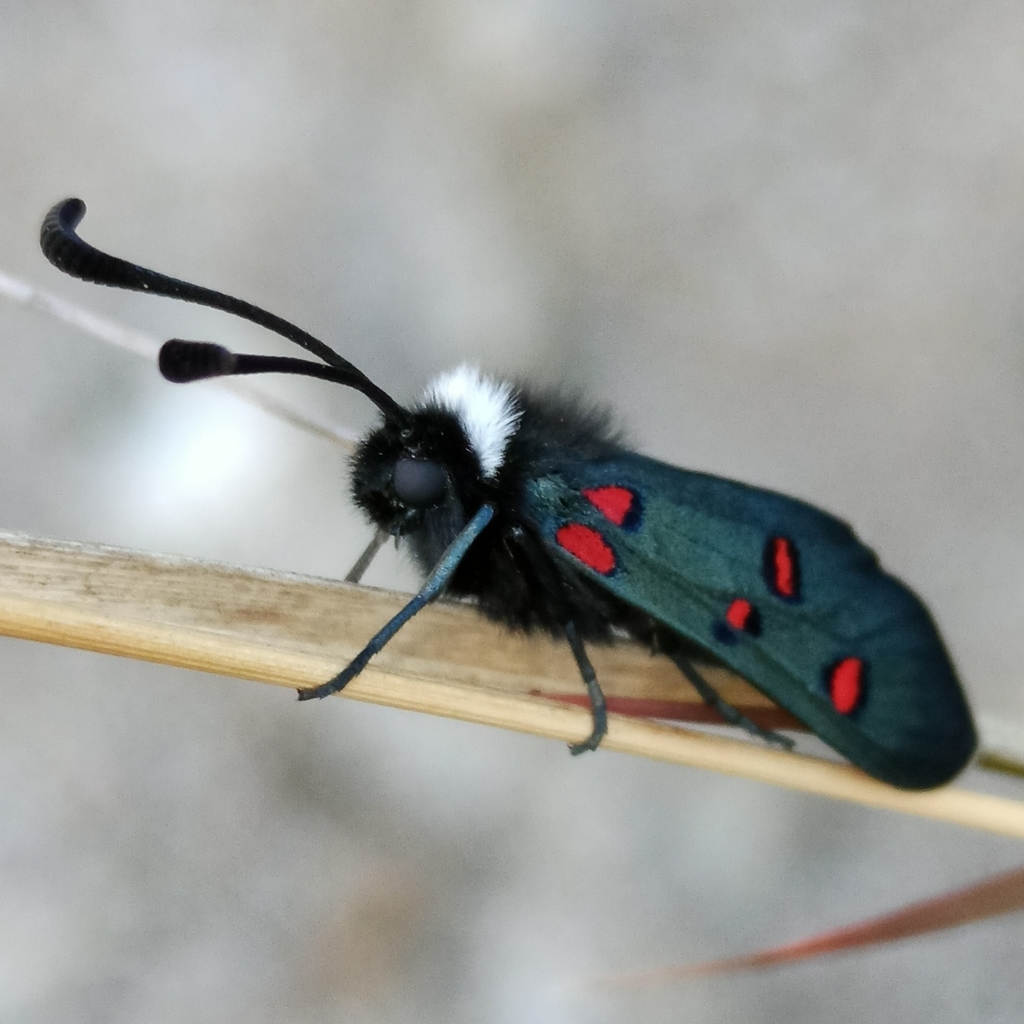
at night plus some stuff that flies during the day, most easily distinguished because their
antennae are not clubbed, whereas those of 'true' butterflies are clubbed. This also implies
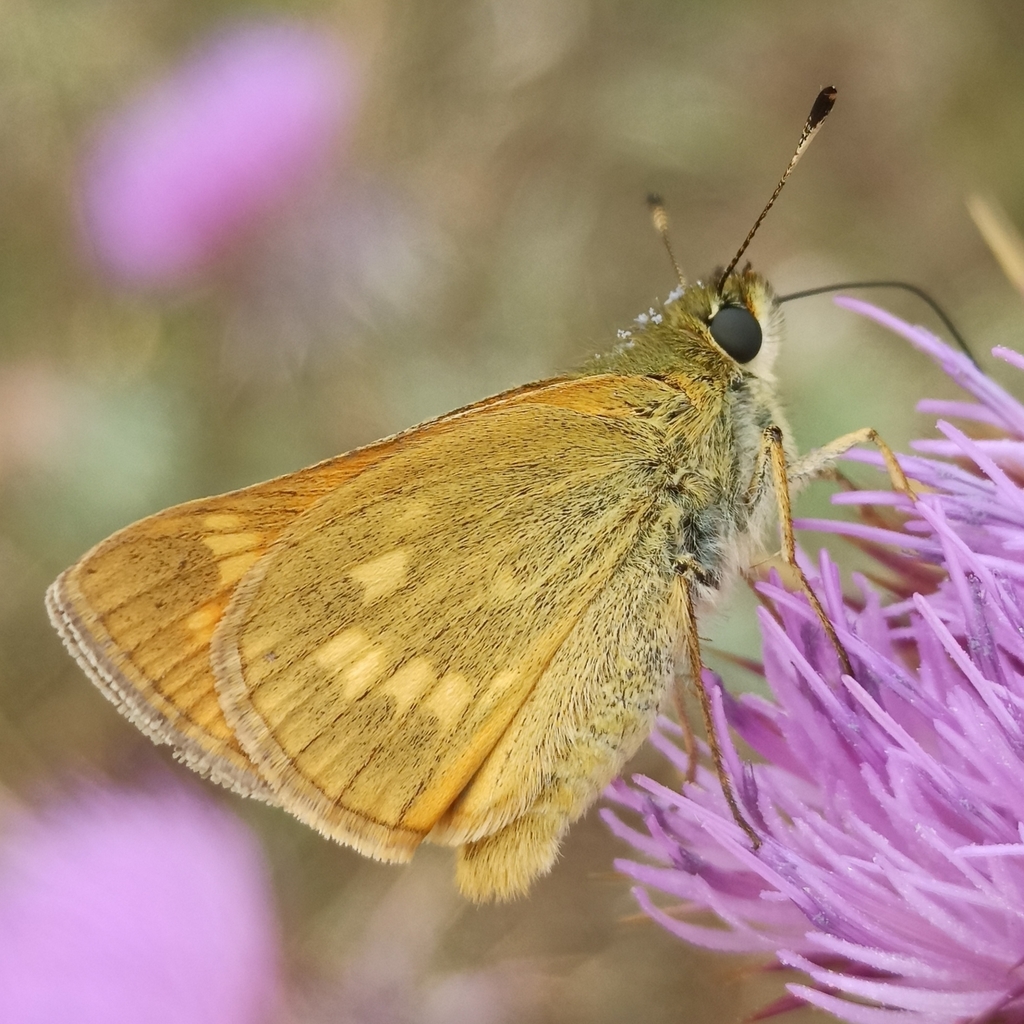
that skippers (family Hesperiidae) count as butterflies (belong to Papilionoidea), despite not
being very colorful and sometimes mistaken for moths.
Besides distinguishing the adults, we can also give some tips to distinguish caterpillars. This gets a bit more tricky and at the end you just know out of experience, so I'll just explain that some larvae of a group called 'sawflies' (close to bees, wasps and ants) look similar to butterfly caterpillars, but can be easily distinguished because they have more legs and their eyes are more evident, whereas the eyes of 'true' caterpillars are barely noticeable. Also, butterfly larvae are not very hairy (at least in Europe), whereas those of 'moths' may or may not be hairy.