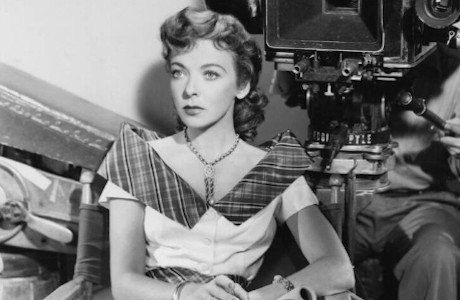
Ida Lupino
Born in London in the 1910s, was a British actress, director and producer who worked mainly in the US during the 50s.
Although she had main roles in big productions, she developed her actoral activity in B-movies or doing supporting roles. However, the importance
of Lupino's work radicates in her career as a director , since she was the one of the few women at the time that were behind the camera.
She was the first woman to direct a noir
movie The Hitch-Hiker, a subgenre completely dominated by men. Also, she directed other movies, in which she managed to incorporate polemic social issues, such as abortion or adultery.
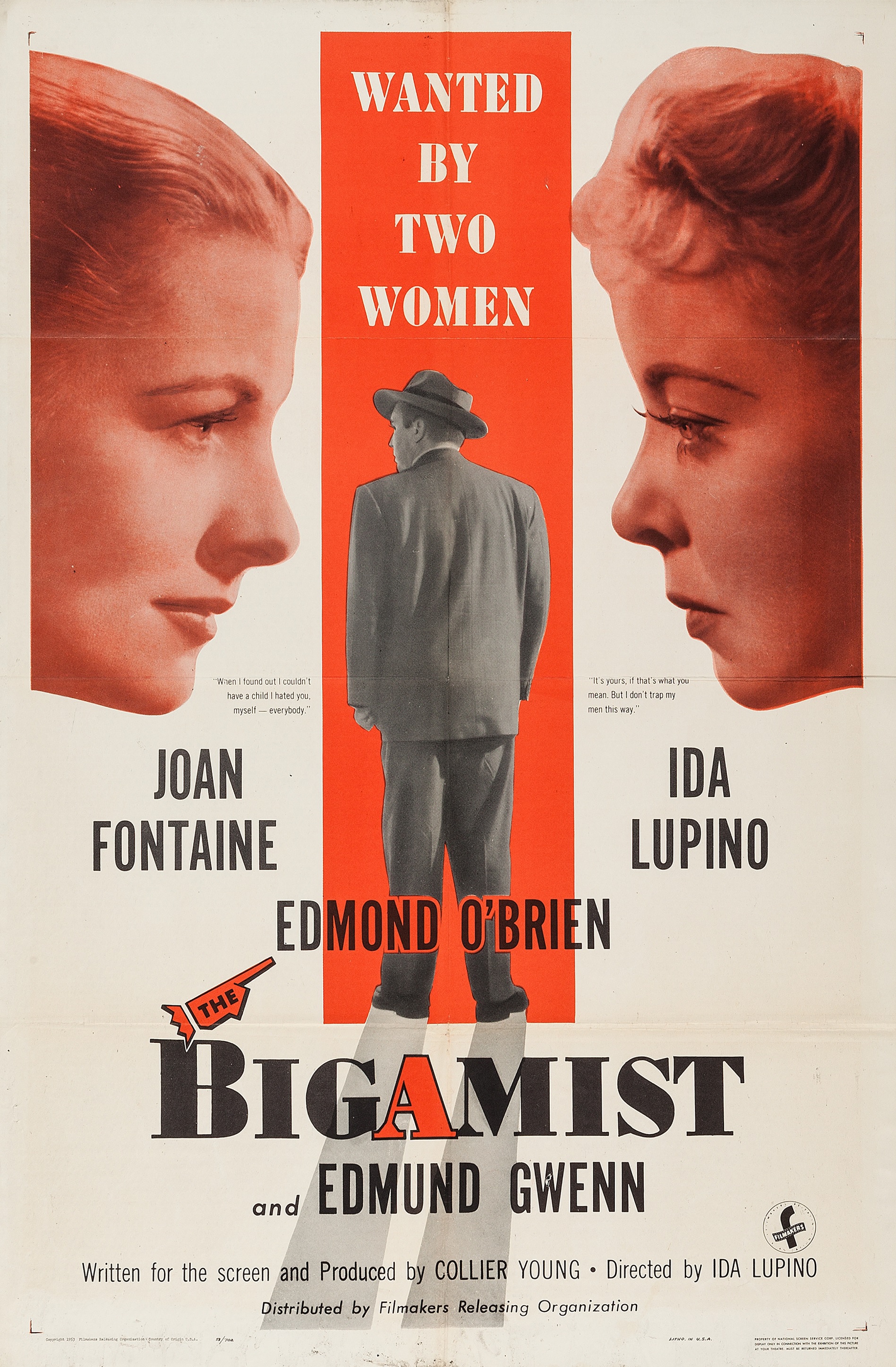
I really enjoyed The Hitch-Hiker, and I do not think it has nothing to envy about other noir movies such as Gun Crazy or similars. However, my favourite of Lupino is The Bigamist, a really nice movie with a subtext about adultery, where the characters move around like puppets in a play that concludes ambiguously. The way the female characters are dealt with is very different from other movies of the same period and this was a really brave move at the time of the femme fatale explosion.
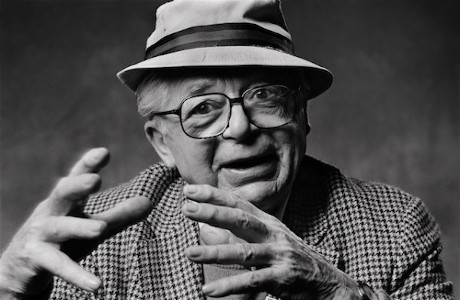
Billy Wilder
One of the greatest filmakers ever, got exiled after the rise of the Nazi Party and began his career as screenwriter in Hollywood.
Wilder started in the film industry working as screenwriter, collaborating with Lubitz. His career as director started with noir movies, such as Double Indemnity or Sunset Boulevard. However, I became familiar with Wilder's filmography on his comedy works. It was thanks to his movies that I started watching B&W movies and ENJOYED them.
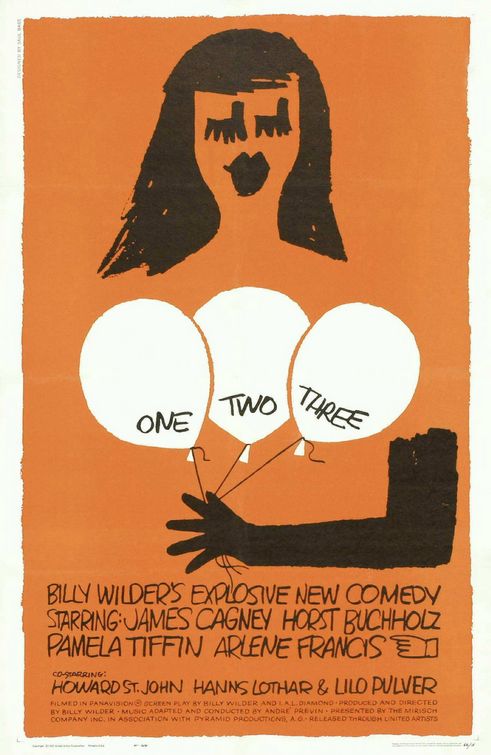
Among the comedy ones, Some Like it Hot was the first I watched and I keep a really nice memory of it. It made love the couple Lemmon-Curtis (though they didn't really make sense in The Odd Couple) and the frantic rythm of his movies' absurd conversation. Also, One, Two, Three... is one of my favourites, more punk, utterly daring, ironic and absolutely brilliant, but just as much enjoyable as some of his more known works.
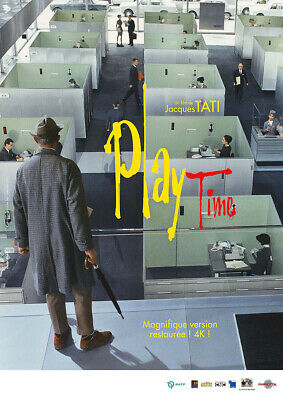
Playtime. 1967.
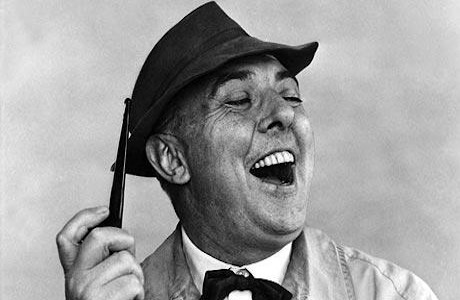
Jacques Tati
Already in show business before WWII, it was after it that he began to work as a filmmaker. In most of his movies, the main character is Monsieur Hulot, heir to the great silent movie characters, always dressed in his overcoat hat, pipe and umbrella, ungainly and inoperative.
Tati's films are practically silent in terms of dialogue. The city, the small ambient noises accompany the surreal scenes through which Monsieur Hulot wanders.The use of colour is fascinating,as it is the importance of architecture, especially in Mon Oncle and Playtime, with scenes that seek symmetry, that seek to impress with bizarre decorative elements... but that are also capable of conveying the oppression and monotony of everyday life. Nothing happens in his movies, per se, but he traps you with wide shots, with depersonalisation and absurdity, while Monsieur Hulot's life comes at him again and again... without managing to finish him off.
In one of the first scenes, the building where Monsieur Hulot lives in Mon Oncle is the subject of an incredible shot in which he manages to turn the house into a living entity populated with windows, staircases, doors and inhabitants without falling into ridicule. But I had a different feeling when I saw Playtime, a later film (and the one that drove Tati to bankruptcy). I remember watching the movie with my mouth open, observing nonsense after nonsense and visual gags with the morbid interest that comes from witnessing an accident: I don't know what I'm doing watching this but I can't stop. The shots of the building full of cubicles, the colourful roundabouts moving like couples in a dance and the eternal restaurant scene, pure absurdity, are simply marvellous.