Rhythmic Gymnastics
Rhythmic gymnastics is an elegant sport, rooted in dance and performance. Gymnasts perform a composition with complex series of body difficult, balances, leaps and rotations, combined with steps of dance and well accompanied by a music and an apparatus, rope, ball, hoop, clubs and ribbon. The apparatus is intricately entwined in every move. It has two modalities: individual and group, five gymnasts.
It is performed in a 13x13 gymnastic spring floor, it helps help prevent potential injuries to lower extremity joints of gymnasts due to the nature of the apparatus, which includes the repeated pounding required to train it. They wear a gymnastic leotard, toe shoes and a hairstyle neat and compact to compete. The leotard must be in non-transparent material and accomplish all the requirements, if not it penalises. In group compositions, gymnasts must wear the same leotard.
Competition are evaluated following a code of points defined by the FIG. The scoring process is modified after each Olympic games. In the current code (2021-2024), the final score of a routine is a sum of difficulty score (D), execution score (E) and artistic score (A). The D-Panel records body difficulties, dynamic elements with rotation (commonly known as risks), waves and apparatus difficulties (only for individuals gymnasts) and exchanges and collaborations (only for groups). The A-panel evaluates the composition and artistic performance from the standard of aesthetic perfection. The composition music guides the choices of all the movements, and all components of the composition are created in harmonious relationship with one another. It also evaluates dance steps combinations, that are a specific sequence of movements with the body and apparatus dedicated to expressing the stylistic interpretation of the music. The E-panel evaluates the technical performance. The gymnast is expected to include in her exercise only elements that she can perform with complete safety and with a high degree of technical mastery. All deviations from that expectation will be deducted by the E- judges.
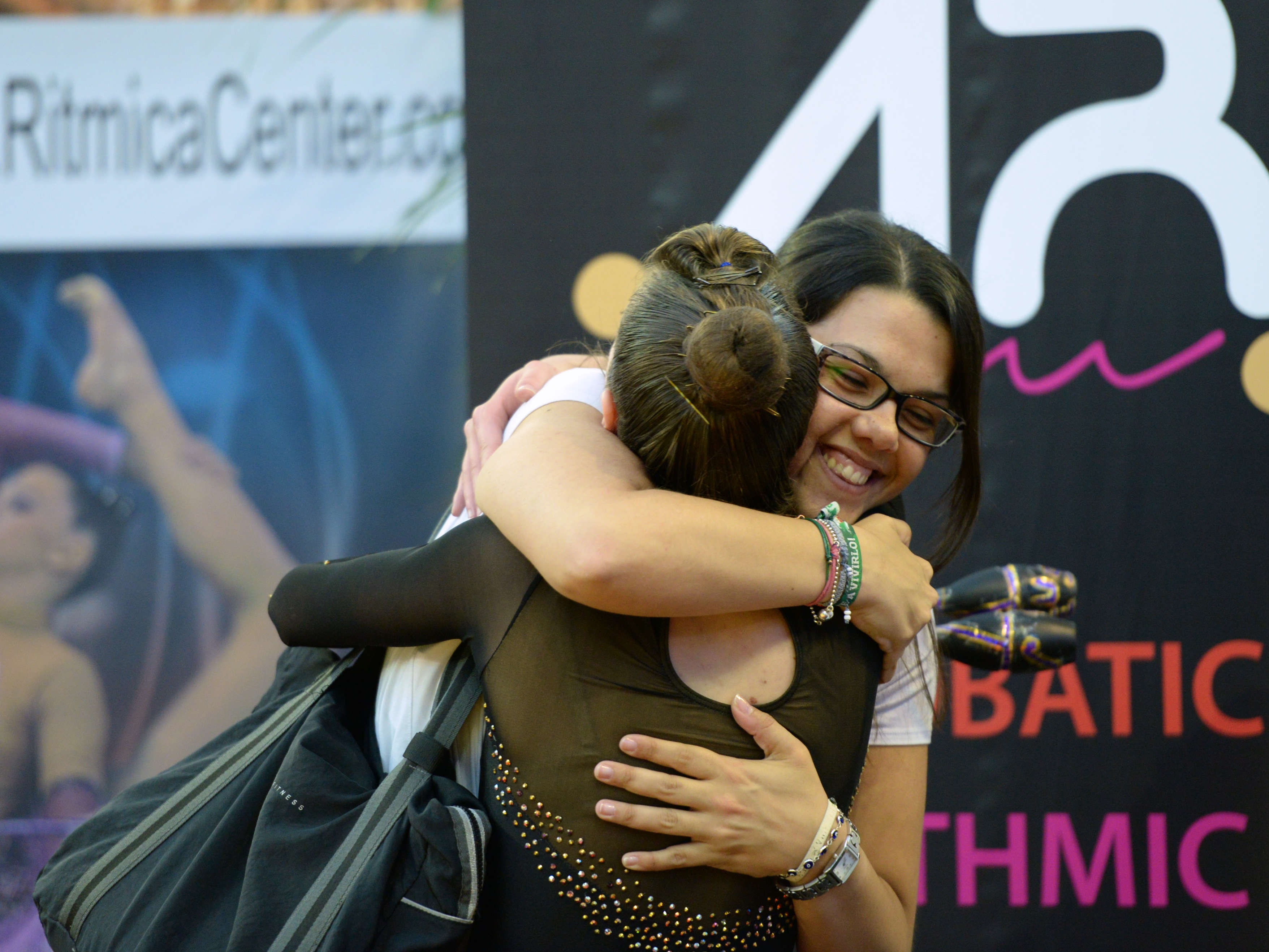
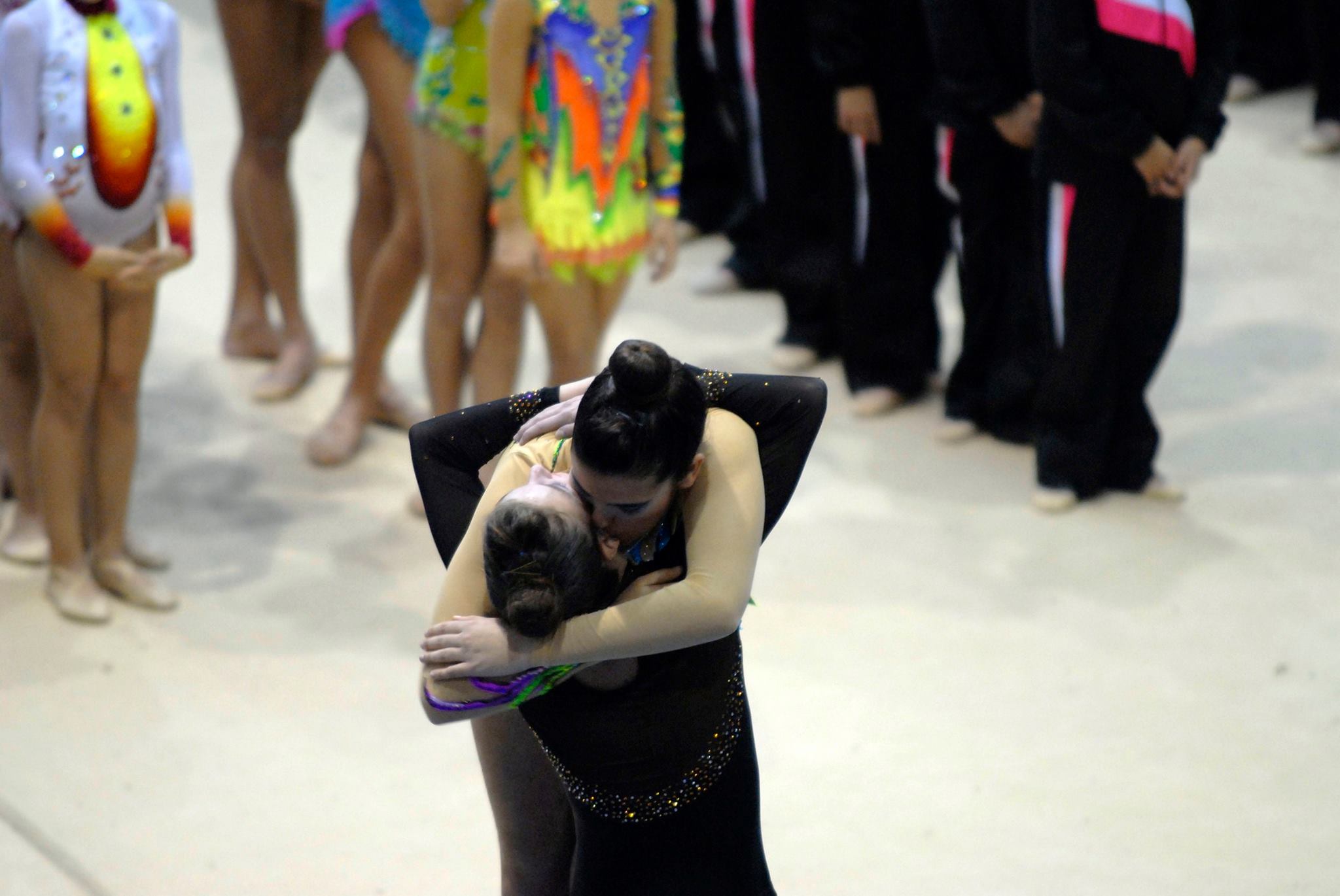
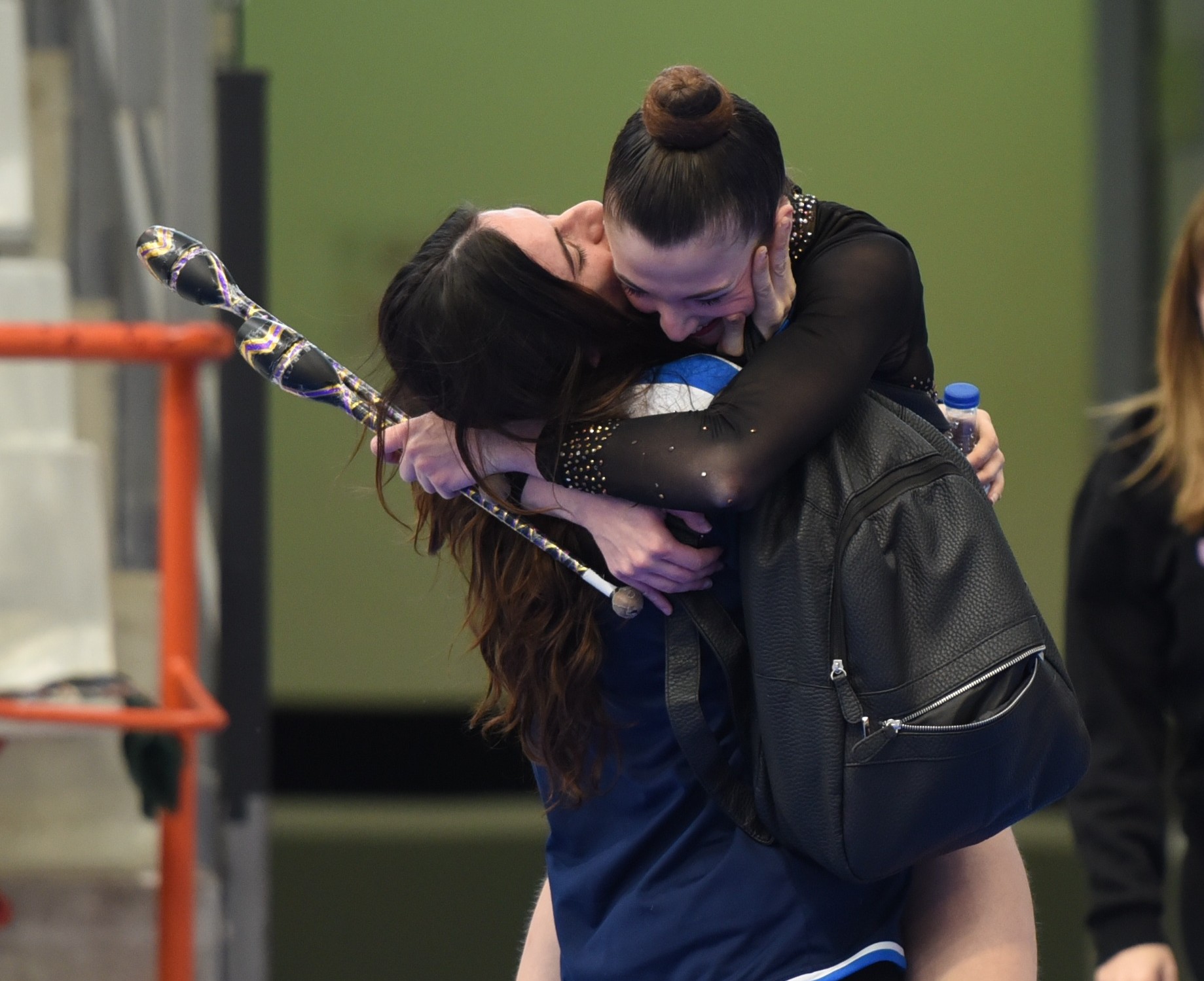
As I explained in the homepage, I did rhythmic gymnastics from 6 to 18 years old and now I am trainer. If I decided to continue in this world as trainer, it was because I have a very good experience in my club. Therefore, I want to share with you the most importants persons that rhythmic gymnastics has given to me!
Until here the introduction of this beautiful sport and this section! If you want to know a bit more, do not hesitate to continue exploring this page. You will find more information about body difficult and apparatus. I hope that you enjoy it!
Sources: image/athens_2004_spain_group, information/olympics_GR, information/wikipedia/GR and information/FIG/Code_of_Points.